
When the grid drops, your house shouldn't.
Winter storms take the Island's power out every year — sometimes for hours, sometimes for days. A battery backup system keeps the essentials running: communications, the fridge, heat controls, and a few lights. No generator noise, no fuel runs, no extension cords in the rain.
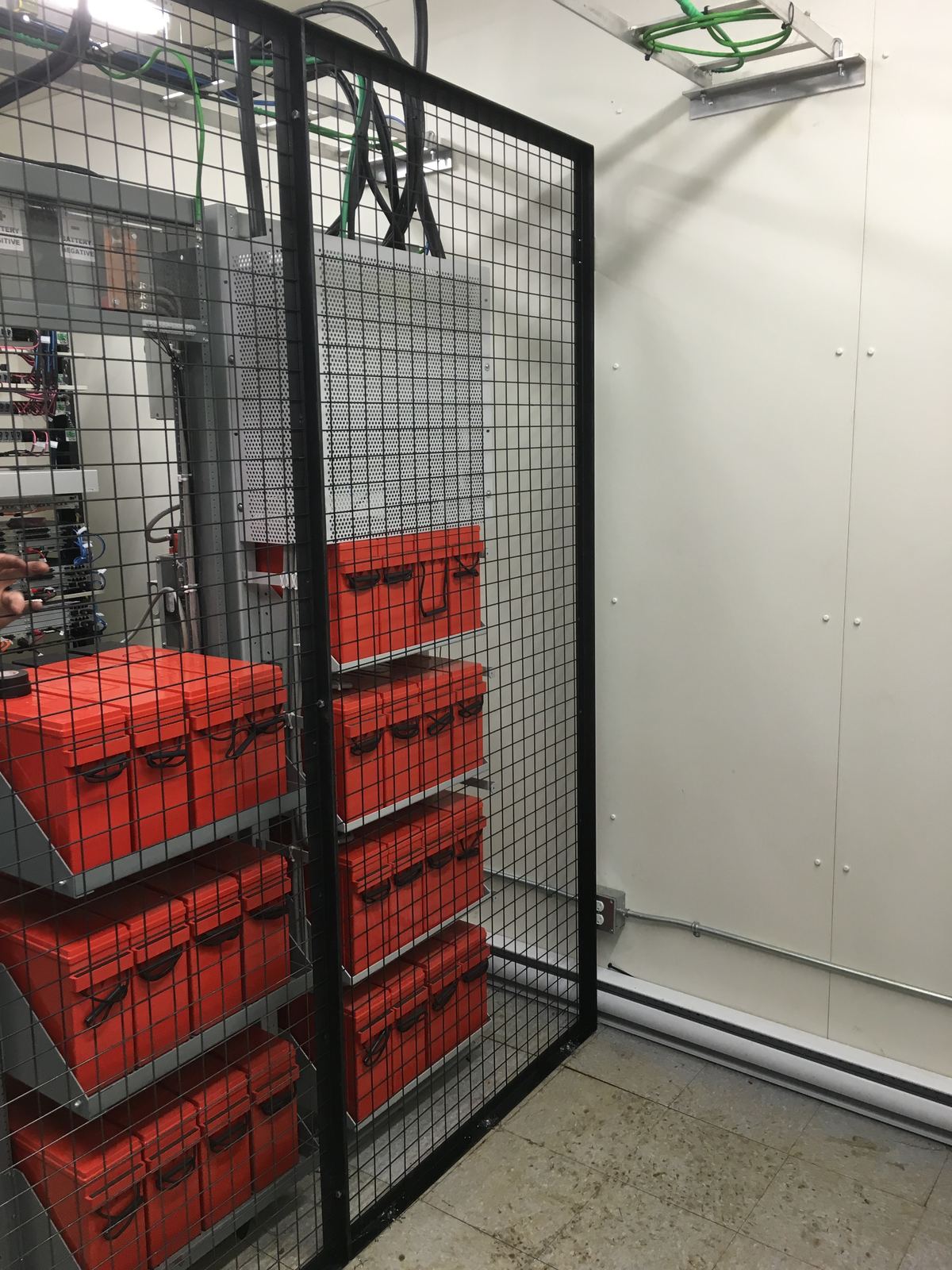
What "the essentials" actually means
A home battery system isn't about running the whole house like nothing happened. It's about triage: what has to stay on when the grid is gone. For most Island homes that's a short list — communications (router, phones charged, maybe the Starlink dish), refrigeration, heat controls (furnace or heat-pump controls, not the full heating load), a few lights, and medical devices where they apply.
We size the system to that list, honestly. A system that runs your essentials for 12–24 hours costs a fraction of one that pretends the outage isn't happening — and the honest one is the one that actually gets installed instead of living forever as a quote.
How we work: resell + licensed install
We're a hardware reseller for battery systems — we source the equipment, and contracted licensed electricians do the install. That division isn't a technicality; panel-tied work is electricians' work, full stop. We manage the project: load assessment, system sizing, equipment supply, scheduling the electrician, and commissioning.
Our battery lineup is being finalized — email [email protected] for current stock and pricing. What we sell is what we'd put in our own homes: proven chemistry, proper battery management, and honest capacity ratings — not the inflated numbers some listings advertise.
Battery vs. generator
Generators are cheaper per watt and run as long as you feed them fuel. Batteries are silent, automatic, maintenance-light, and instant — the power doesn't even blink. For most homes, the honest answer is that a battery covers the common outages (hours to a day), and a small generator remains the backstop for the multi-day events. We design for the 90% case and plan for the 10%. If you already own a generator, a battery system pairs with it instead of replacing it.
Field note — the 90/10 rule
I size for the storms you get every year, not the one from '96 your neighbour still talks about. The everyday outages get the battery; the once-a-decade monsters get a generator backstop. The 90% case gets installed. The 10% gets planned for.
What the install looks like
- Load assessment. We inventory your essentials and measure or estimate their draw — this determines battery size, not guesswork.
- System design. Battery capacity, inverter sizing, and which circuits go on backup. Critical-loads subpanel is the standard approach.
- Licensed install. Our contracted electrician does the panel work to code, with permits where required.
- Commissioning. We test the transfer, verify runtimes against the design, and walk you through monitoring and basic care.
The comms angle
This is where our background matters. Most battery installers size for the fridge and stop thinking. We size for the fridge and the network — because in an outage, your connection to the world is as essential as cold food. Router, Starlink dish or booster amplifier on the backup circuits, always. Pair with a Starlink install or booster and your home stays connected through the storm, not just lit. And if it's a cabin sitting empty all winter, pair the battery with cabin monitoring — freeze and power alerts on your phone while you're in the city.
Backup power is security
Here's the part nobody puts in the brochure. When the power dies on your property, it isn't just the lights — it's the cameras, the gate opener, the alarm panel, the driveway sensor. And your phone goes with it if the tower's struggling too. A dark property with dead security gear is just a dark property.
I size battery systems with that in mind. The security gear you already own — whatever's installed — goes on the backup circuits alongside the comms, so it stays powered and reachable through the outage. Straight talk: I don't install cameras or alarm systems (that's licensed security work in BC, and it's parked). But the gear you already have shouldn't go blind the moment the grid blinks.
Field note — the dark-house problem
A storm knocks the power out at 9 p.m. and your cameras die at 9:01. That's the window that matters. Backup power isn't convenience out here — it's the difference between a property that's still watching and one that isn't.
Coverage
Home battery backup runs in our day-trip radius from the Parksville/Qualicum base: the mid-Island core, Nanaimo, Port Alberni and the Comox Valley, plus ferry day-trips to the Sunshine Coast and Gulf Islands. Local detail: home battery backup in Nanaimo, the Pender Islands and Salt Spring Island.
Will it keep my internet running in an outage?
That’s the comms angle — we size for the fridge and the network, so your router, Starlink dish or booster amplifier stays on the backup circuits through the outage. Most designs are essentials-only covering 12–24 hours, and we give you the runtime math for your specific load list before you spend anything.
Common questions
How long will a battery system run my essentials?
Depends on the battery size and your load list — that's exactly what the assessment determines. A typical essentials-only design runs 12–24 hours. Bigger banks extend that; adding solar extends it further during daylight. We give you the runtime math for your specific list, not a generic claim.
Can I add solar later?
Yes — we design with expansion in mind. A battery system installed today can take a solar array tomorrow, which turns outage backup into daily bill reduction. Tell us during the assessment if solar is in your future and we'll spec accordingly.
What does it cost?
System cost depends on battery capacity and install complexity. Email [email protected] for current hardware stock and pricing — the lineup is being finalized, and we'd rather quote real numbers than publish guesses.
Do I need permits?
Panel-tied battery installs generally need an electrical permit in BC, and our contracted licensed electricians handle that as part of the job. It's built into the process, not your to-do list.
Will it power my whole house?
Whole-home backup is possible but expensive — most households don't need it. The essentials approach (comms, fridge, heat controls, lights) covers what actually matters in an outage at a fraction of the cost. If you want whole-home, we'll quote it honestly and let the number speak.
Next storm season is coming.
Get a load assessment and a real quote — battery size matched to your essentials, installed by licensed electricians. Email [email protected] for current stock, or book through the contact page.